
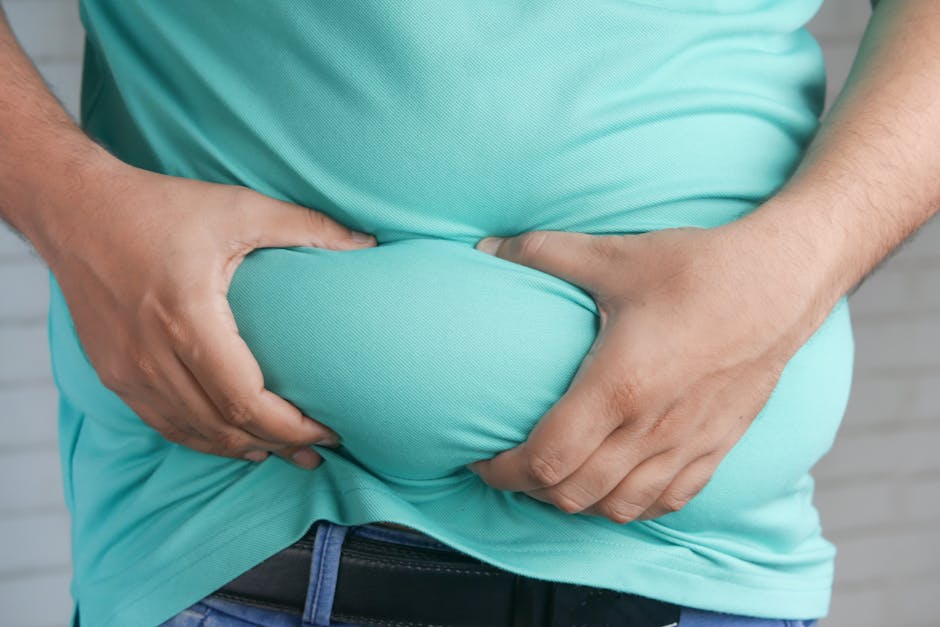
That uncomfortable, tight feeling in your stomach after a meal is more than just a nuisance. It is a signal. When your abdomen feels distended, hard, or heavy, your body is telling you that something in the digestive process is out of sync.
Bloating is a very common issue, yet it is often ignored. Many people assume that feeling “full” or “puffy” is just a normal part of eating. However, persistent bloating can disrupt your day, affect your mood, and signal underlying digestive imbalances.
Understanding why this happens is the first step toward feeling better. By identifying the root cause, you can stop managing the symptoms and start fixing the source.
Understanding the Sensation of Bloating
Before we look at the causes, we must understand what is actually happening inside your body. Bloating is usually caused by an excess of gas in the digestive tract or an accumulation of fluid.
Gas is a natural byproduct of digestion. When your body breaks down food, your bacteria in the gut also process the nutrients. This process releases gases like hydrogen, methane, and carbon dioxide. In a healthy system, these gases pass through your body without issue.
However, if digestion is slow or if you have an imbalance of bacteria, that gas becomes trapped. This creates pressure against your intestinal walls. This pressure is what causes the visible swelling and the uncomfortable sensation of tightness.
1. Food Sensitivities and Intolerances

One of the most common reasons for post-meal bloating is how your body reacts to specific ingredients. There is a difference between a food allergy and a food intolerance. An allergy involves your immune system. An intolerance, however, happens in your digestive system.
The Role of Lactose and Gluten
Lactose is a type of sugar found in dairy products. If your body does not produce enough of the enzyme “lactase,” you cannot break down this sugar. When undigested lactose reaches your large intestine, bacteria ferment it, causing rapid gas production and bloating.
Gluten is a protein found in wheat, barley, and rye. For some people, gluten triggers a low-grade inflammatory response in the gut. This inflammation can slow down transit time, leaving food to sit in the gut longer and produce more gas.
If you notice bloating specifically after eating bread, pasta, or cheese, a food intolerance may be the culprit. Keeping a food diary can help you identify these patterns.
2. An Imbalanced Gut Microbiome
Your gut is home to trillions of tiny organisms known as the microbiome. Most of these are beneficial bacteria that help you digest food and support your immune system. However, when the balance shifts, problems arise.
What is Dysbiosis?
Dysbiosis is the medical term for an imbalance in gut bacteria. It occurs when “bad” or pathogenic bacteria begin to outnumber the “good” or beneficial bacteria.
When you have more harmful bacteria than healthy ones, they may begin to ferment food prematurely or excessively. This often leads to bloating, gas, and irregular bowel movements. This imbalance can be caused by a poor diet, frequent use of antibiotics, or high levels of chronic stress.
To restore balance, you need to replenish the “good” bacteria and provide them with the nutrients they need to thrive. This is where high-quality probiotics and prebiotics become essential. Using a specialized formula like GutRevive can help reintroduce the beneficial microbes your system needs to regain balance.
3. Low Digestive Enzyme Production
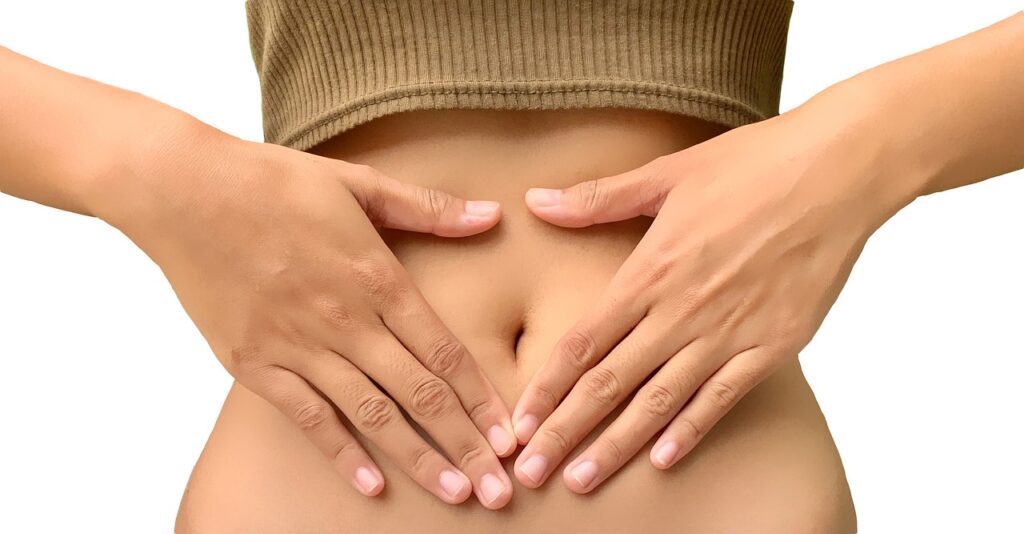
Digestion is a complex chemical process. It requires specific enzymes to break down large molecules of food into smaller ones that your body can absorb. These enzymes are responsible for breaking down proteins, fats, and carbohydrates.
If your body is not producing enough digestive enzymes, food remains in your stomach and small intestine for too long. This “stuck” food undergoes fermentation by bacteria before it can be properly absorbed. This is a primary cause of that heavy, bloated feeling immediately after a meal.
Factors that can lead to low enzyme production include aging, poor eating habits, or chronic digestive issues. Supporting your body with supplemental enzymes can help ensure that food is broken down efficiently, preventing gas from forming in the first place.
4. Swallowed Air and Eating Habits

Sometimes, the cause of bloating has nothing to do with what you eat, but how you eat. This is often referred to as aerophagia, or swallowing air.
Common Habits That Cause Bloating
- Eating Too Quickly: When you rush through a meal, you swallow more air than necessary.
- Talking While Eating: This also increases the amount of air entering your stomach.
- Drinking Through a Straw: Straws are designed to pull liquid up, but they also pull air into your system.
- Chewing Gum or Sucking on Hard Candy: Both of these actions cause you to swallow more saliva and air.
- Carbonated Beverages: The bubbles in sodas and sparkling waters are literal pockets of gas that expand in your stomach.
If you feel bloated shortly after eating, try slowing down. Focus on chewing your food thoroughly and avoiding carbonated drinks during mealtime.
5. Chronic Stress and the Nervous System

You may be surprised to learn that your brain and your gut are constantly communicating. This is known as the “gut-brain axis.”
When you are stressed, your body enters a “fight or flight” mode. In this state, your body prioritizes survival over digestion. To save energy, the body diverts blood flow away from the digestive tract. This slows down the movement of food through your intestines.
Slow movement (delayed gastric emptying) leads to food sitting in the gut longer. As mentioned earlier, the longer food sits, the more gas is produced. If you notice that you feel more bloated during busy or stressful work weeks, your nervous system may be the primary driver of your digestive discomfort.
How to Fix Bloating: A Step-by-Step Plan
If you are tired of feeling bloated, you can take proactive steps to fix the root causes. A combination of dietary changes, lifestyle shifts, and nutritional support is often the most effective approach.
Step 1: Dietary Adjustments
The fastest way to see a change is to adjust what you put on your plate.
- Identify Triggers: Start a food diary. Note what you eat and when you feel bloated. Look for patterns involving dairy, gluten, or high-sugar foods.
- Increase Fiber Slowly: Fiber is essential for gut health, but increasing it too quickly can actually cause more bloating. Add fiber to your diet incrementally.
- Limit Artificial Sweeteners: Many sugar-free products contain sugar alcohols (like sorbitol or xylitol). These are known to cause significant gas and bloating in many people.
Step 2: Lifestyle Changes
How you live impacts how you digest.
- Mindful Eating: Make meals a time of relaxation. Sit down, turn off the TV, and chew your food until it is a soft consistency before swallowing.
- Gentle Movement: A short walk after a meal can stimulate the muscles in your digestive tract. This helps move food and gas through your system more effectively.
- Stress Management: Incorporate daily habits like deep breathing, meditation, or light stretching to help calm your nervous system.
Step 3: Targeted Nutritional Support
Sometimes, lifestyle changes alone are not enough to correct a deep-seated imbalance. If you have spent years struggling with bloating, your gut microbiome and enzyme levels may need extra help.
To truly address the causes of bloating, you should look for a comprehensive approach. This means:
- Replenishing Good Bacteria: Use high-quality probiotics to fight back against dysbiosis.
- Feeding the Microbiome: Ensure you are getting enough prebiotics to sustain those beneficial bacteria.
- Supporting Enzyme Production: Use digestive enzymes to ensure food is broken down before it can cause gas.
This is why a multi-action formula like GutRevive is so effective. Rather than just treating one symptom, it addresses the underlying mechanics of digestion. By supporting both the bacteria and the enzymatic breakdown of food, you create an environment where bloating is less likely to occur.
Why GutRevive is the Ultimate Tool for Bloating Relief

If you have tried everything from cutting out gluten to taking basic probiotics, and you still feel bloated, it may be time for a more sophisticated solution.
Most supplements only do one thing. They are either just a probiotic or just an enzyme. But as we have learned, bloating is often caused by a combination of factors.
GutRevive is designed to address the “whole” digestive process. It works to:
- Restore Balance: By introducing beneficial bacteria to help fight dysbiosis.
- Enhance Digestion: By providing the necessary support to break down complex nutrients.
- Support Gut Lining Health: Creating a stronger barrier against irritation and inflammation.
When you address the root causes—the bacteria, the enzymes, and the balance—you don’t just feel better for an hour. You build a foundation for long-term digestive comfort.
Frequently Asked Questions
How long does it take to see results from gut health supplements?
Everyone is different. Some people feel a difference in their energy and digestion within a few days. However, because it takes time for your microbiome to shift, many people notice the most significant changes after 2–4 weeks of consistent use.
Is bloating always a sign of something serious?
In most cases, bloating is a functional issue related to diet, stress, or bacteria. However, if bloating is accompanied by severe pain, unintended weight loss, or blood in your stool, you should consult a medical professional immediately.
Can I take GutRevive on an empty stomach?
While many probiotics are designed to be taken with food, always follow the specific instructions on the packaging or consult your healthcare provider to ensure you get the maximum benefit.
Does stress really cause bloating?
Yes. The gut-brain axis is a powerful connection. When your brain is stressed, your gut slows down. This delay in digestion is a primary cause of gas and bloating.